Source eco friendly biodegradable wooden coasters for home, bar, and office
Compare 30 listings of eco friendly biodegradable wooden coasters from suppliers in Shandong, China. Options include round and rectangular designs in beech or walnut with customizable sizes and logos.
Key considerations
Products List
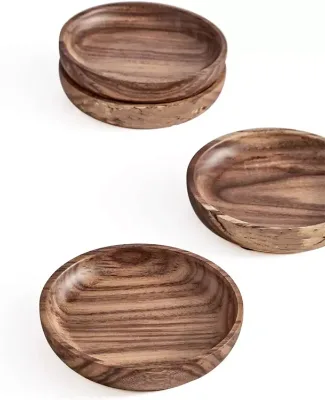
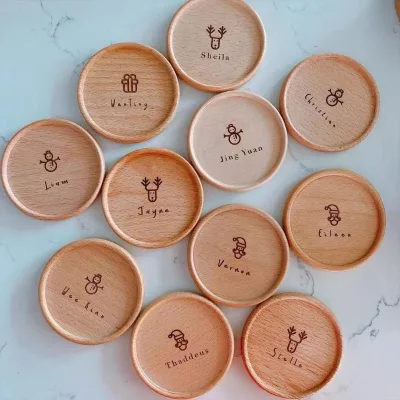
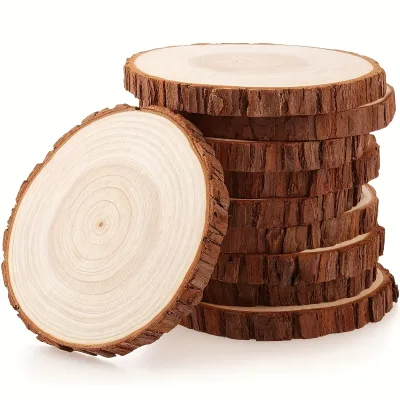
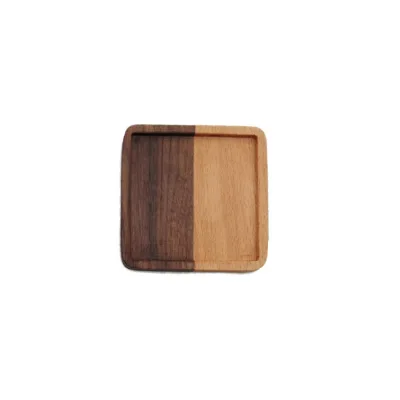

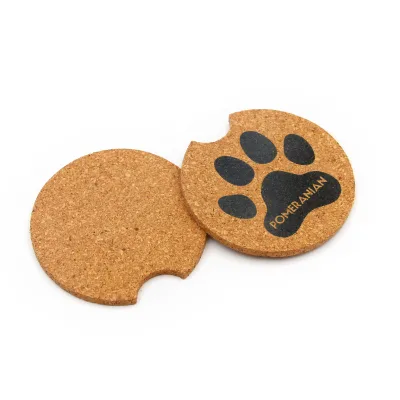
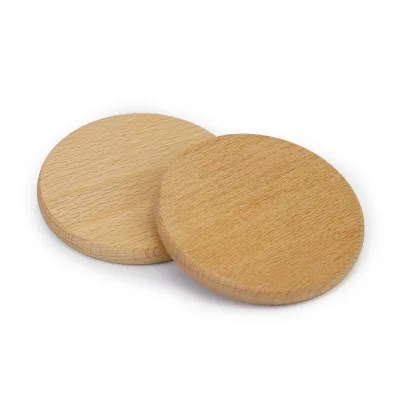


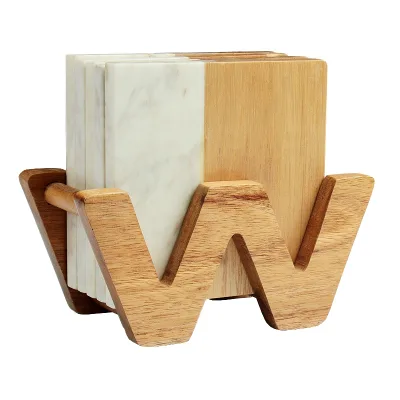




Comprehensive Sourcing Guide
Strategic Sourcing Guide for Eco-Friendly Biodegradable Wooden Coasters
The global shift toward sustainable packaging and tableware has elevated the demand for eco-friendly biodegradable wooden coasters. For B2B procurement professionals, navigating this category requires a disciplined approach that balances aesthetic requirements with verifiable supply chain data. This guide synthesizes observed market attributes and technical specifications to provide a robust framework for sourcing decisions. Buyers must distinguish between general market trends and specific product facts to avoid procurement risks associated with unverified claims.
Technical Specifications and Material Composition
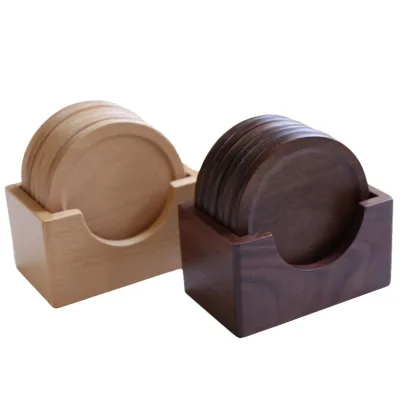
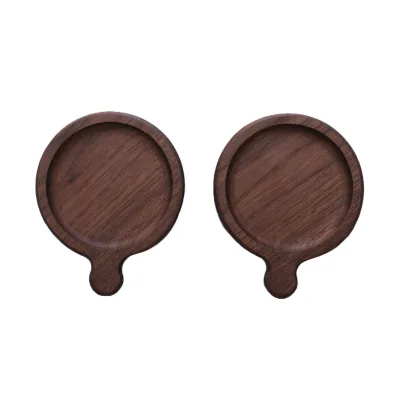
The foundation of any successful procurement strategy for wooden coasters lies in a precise understanding of material composition and dimensional tolerances. Market observations indicate that the primary material source for these products is Beech wood, though some listings also reference Walnut or generic "other wood" varieties. Beech is frequently selected for its fine grain and durability, making it suitable for high-traffic hospitality environments. However, buyers must verify the specific wood species for every order, as the mechanical properties of Beech differ from Walnut or softer hardwoods.
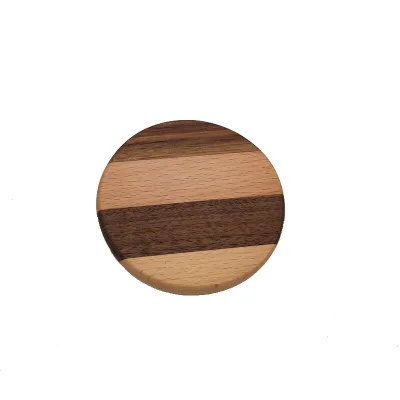
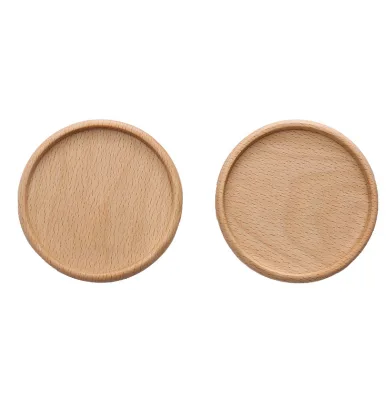
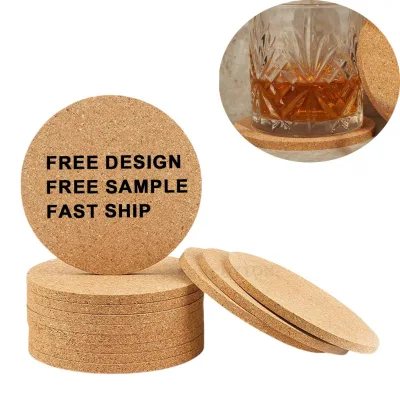
Dimensional consistency is a critical specification parameter. Data from current listings reveals a wide variance in product sizing, ranging from compact units with a diameter of 100mm and a thickness of 10mm to larger rectangular formats. Specific observed dimensions include a single package size of 8.8x8.8x1 cm for smaller, round variants, while other models feature a thickness of 0.9cm and a package size of 8.8x8.8x0.9cm. Conversely, bulkier items may have a single package size of 20x20x5 cm. The thickness specification is often listed as "custom" or "customized," suggesting that manufacturers can adjust the 10mm baseline to meet specific design needs.
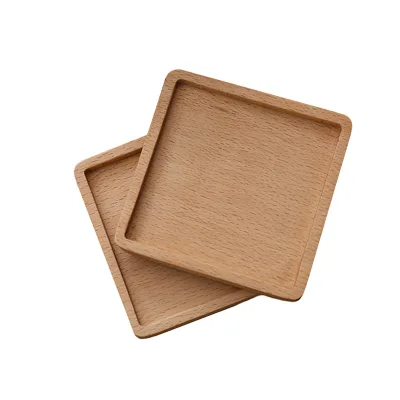
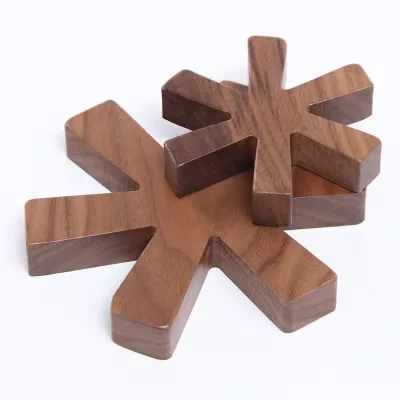
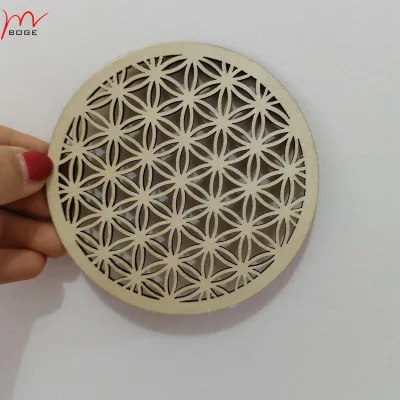
The shape of the coaster is another defining technical attribute. While the classic "Round" shape with a 100mm diameter is prevalent, "Rectangle" shapes are also available, catering to different table aesthetics. The surface finish often retains the "Nature Color" or "Wood" appearance, emphasizing the biodegradable and organic nature of the product. Some products feature a "bark" design, which adds a rustic texture but requires careful handling during the manufacturing process to ensure structural integrity. Weight specifications vary significantly, with observed values ranging from 40g for lighter units to 1.0 kg for heavier, possibly bulk-packaged items. Buyers should treat these weight figures as product-specific observations rather than universal standards for the category.
Compliance, Certification, and Environmental Claims
When sourcing "eco-friendly" and "biodegradable" products, the verification of environmental claims is paramount. The term "Eco-Friendly" appears as a standard attribute in product listings, often accompanied by features such as "Reusable," "Heat Resistant," and "Stocked." However, the presence of these labels does not automatically guarantee compliance with international environmental standards. Buyers must explicitly request documentation regarding the sourcing of the wood.
While some background information suggests the existence of FSC (Forest Stewardship Council) certification as a relevant standard in this sector, this specific certification status is not confirmed in the provided product facts. Therefore, procurement teams should not assume FSC compliance based on product descriptions alone. Instead, the verification process must include a direct request for the supplier's chain-of-custody documentation. The "OEM" and "ODM" capabilities noted in the supply data indicate that many manufacturers are willing to customize the product, which includes the potential to source wood from certified forests if the buyer mandates it.
The biodegradability of the product is inherent to the wood material, but the finish and adhesives used in the manufacturing process can impact this claim. Buyers should inquire about the specific finishes applied to the "Nature Color" or "Wood" surfaces. Are they water-based? Do they contain synthetic resins that inhibit decomposition? The "Heat Resistant" feature is a functional claim that suggests the wood has been treated or selected to withstand hot beverages without warping, but the exact temperature tolerance limits are not specified in the general data. Verification of these thermal properties through third-party testing is recommended for high-volume contracts.
Cost Drivers and Pricing Structures
Understanding the cost structure of wooden coasters requires analyzing the interplay between material costs, customization levels, and order volume. The observed price range in the market spans from $0.03 to $7.98 USD. This wide disparity is not indicative of a single product type but rather reflects differences in material quality, size, packaging, and branding complexity. The lower end of the price spectrum likely corresponds to standard, unbranded, small-diameter coasters with minimal processing. The higher end may reflect premium hardwoods like Walnut, custom branding, or specialized packaging solutions.
Minimum Order Quantity (MOQ) is a significant cost driver. The data shows an MOQ range from 200 pieces to 5,000 pieces, with specific listings citing 1,000 pieces or 500 pieces as thresholds. A lower MOQ of 200 pieces allows for smaller trial orders but may result in a higher unit cost due to the fixed costs of setup and production runs. Conversely, larger orders often benefit from economies of scale. The "Customized Sample time" of 3-5 working days suggests that the initial prototyping phase is relatively quick, but the main production lead time is typically 20-30 days. This lead time must be factored into the total cost of ownership, especially for time-sensitive campaigns.
Payment terms such as EXW, FOB, CIF, and DDP are standard in this sector. The choice of Incoterm significantly impacts the final landed cost. EXW (Ex Works) places the burden of logistics and insurance on the buyer, while DDP (Delivered Duty Paid) includes all costs up to the destination. Buyers should calculate the total cost including freight, insurance, and duties rather than focusing solely on the unit price. The "Single gross weight" of 0.026 kg to 1.0 kg per item also influences shipping costs, particularly for air freight options like DHL, EMS, UPS, and FedEx, which are listed as available shipping methods.
Supplier Evaluation and Operational Capabilities
Evaluating suppliers for wooden coasters requires a focus on their manufacturing flexibility and logistical reliability. The data indicates that the "Place of Origin" is predominantly Shandong, China, a region known for its woodworking industry. This geographic concentration can offer advantages in terms of supply chain efficiency but also requires due diligence on the specific factory's capacity.
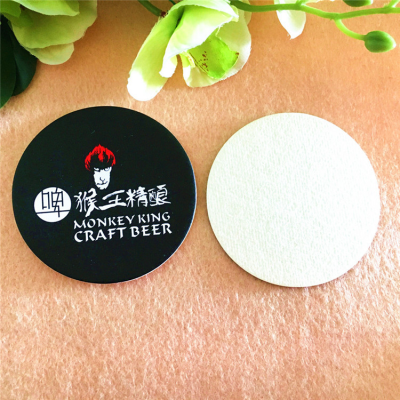
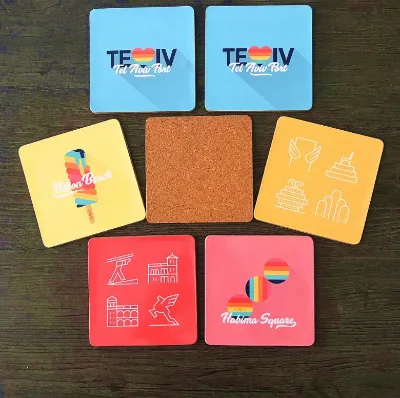
Key operational capabilities to verify include the ability to handle "Custom Logo" requests and "Customized Package" designs. Most suppliers listed accept OEM and ODM services, allowing for brand integration. The "Model Number" (e.g., FD260507-1) suggests a structured inventory system, but buyers should confirm that the specific model matches their design requirements. The "Season: All-Season" attribute implies that the product is suitable for year-round use, which is beneficial for inventory planning.
However, some listings note "Room Space Selection: Not Support," which may indicate limitations in the supplier's ability to provide large-scale installation services or custom spatial solutions. This is a crucial distinction for buyers looking for turnkey solutions versus those purchasing raw materials for in-house assembly. The "Shipping Way" options are diverse, ranging from sea freight to air courier, offering flexibility based on urgency and budget. Buyers should assess the supplier's track record in handling these different logistics channels to ensure reliable delivery.
Quality Control and Inspection Protocols
Quality control for wooden coasters must address both aesthetic consistency and functional durability. Given the natural variation in wood, buyers should establish clear acceptance criteria for grain patterns, color consistency, and surface smoothness. The "Pattern: Customized" attribute suggests that visual consistency can be managed through specific design requests, but natural wood variations will always exist.
Inspection protocols should include checks for structural integrity, particularly regarding the "Thickness" specification. Variations in the 10mm or 0.9cm thickness can affect the coaster's stability and heat resistance. The "Heat Resistant" claim requires verification through thermal testing to ensure the wood does not warp or discolor under typical beverage temperatures. Additionally, the "Reusable" feature implies that the product must withstand repeated cleaning cycles without degrading.
For products with "bark" designs or specific shapes like "Round" or "Rectangle," dimensional accuracy is critical. The "Single package size" data highlights the importance of packaging integrity to prevent damage during transit. Inspections should also verify the "Logo" application quality, ensuring that custom branding is legible and securely attached. The "Stocked" attribute in some listings suggests that certain items are available for immediate shipment, which can reduce lead times but may limit customization options. Buyers should prioritize suppliers who offer pre-shipment inspections to mitigate the risk of receiving non-compliant goods.
Long-Term Procurement and Strategic Planning
Sourcing eco-friendly wooden coasters is not merely a transactional activity but a strategic initiative that aligns with broader sustainability goals. The "Eco-Friendly" and "Biodegradable" attributes offer a competitive advantage for brands committed to reducing plastic waste. However, long-term success depends on maintaining a consistent supply of high-quality materials and adhering to evolving environmental regulations.
Buyers should consider the scalability of their orders. The wide MOQ range allows for flexibility, but committing to larger volumes can secure better pricing and priority production slots. The "Lead Time" of 20-30 days should be integrated into the overall supply chain planning to avoid stockouts. Furthermore, the ability to customize packaging and branding ("Customized Package Welcomed") allows for brand differentiation in a crowded market.
As the market evolves, the demand for verified sustainability credentials will likely increase. While FSC certification is mentioned in background contexts, buyers should proactively seek suppliers who can provide up-to-date certification documents. This proactive approach ensures that the procurement strategy remains robust against future regulatory changes and consumer expectations. By focusing on verified material sources, clear technical specifications, and reliable supplier capabilities, buyers can secure a supply chain that supports both business objectives and environmental stewardship.
FAQs
What materials are used for eco friendly biodegradable wooden coasters?
The primary materials are Beech wood, Walnut, or other wood varieties. Some listings specify Beech or other wood, while others mention Beech and Walnut specifically. Buyers must verify the exact wood species for each order as mechanical properties vary.
Can I customize the logo and packaging for these wooden coasters?
Yes, suppliers accept custom logos and customized package designs. Most manufacturers offer OEM and ODM services to integrate branding. Buyers should confirm specific design requirements during the sample phase which typically takes 3-5 working days.
What is the typical lead time for production of wooden coasters?
The standard lead time ranges from 20 to 30 days for production. This duration applies to custom orders and bulk shipments. Buyers should factor this into their supply chain planning to avoid stockouts, especially for time-sensitive campaigns.
Which dimensions and shapes are available for these coasters?
Available shapes include Round with a 100mm diameter and Rectangle formats. Thickness can be 10mm or customized, with package sizes varying from 8.8x8.8x1 cm to 20x20x5 cm. Buyers should treat these dimensions as product-specific observations rather than universal standards.
How does the minimum order quantity affect the pricing structure?
Minimum order quantities range from 200 to 5,000 pieces depending on the supplier. Lower MOQs like 200 pieces allow trial orders but may increase unit costs due to setup fees. Larger orders often benefit from economies of scale and better pricing tiers.
Where are the manufacturers of these coasters located?
The primary place of origin is Shandong, China, a region known for its woodworking industry. This geographic concentration offers supply chain efficiency but requires due diligence on specific factory capacity. Buyers should verify the exact location for every supplier they consider.
Are these coasters heat resistant and reusable for daily use?
Yes, the products are listed as heat resistant and reusable for repeated use. The wood material is selected to withstand hot beverages without warping, though exact temperature limits are not specified. Buyers should request thermal testing documentation for high-volume contracts.